
WORK / CASE STUDY 1
INTENT CONNECT
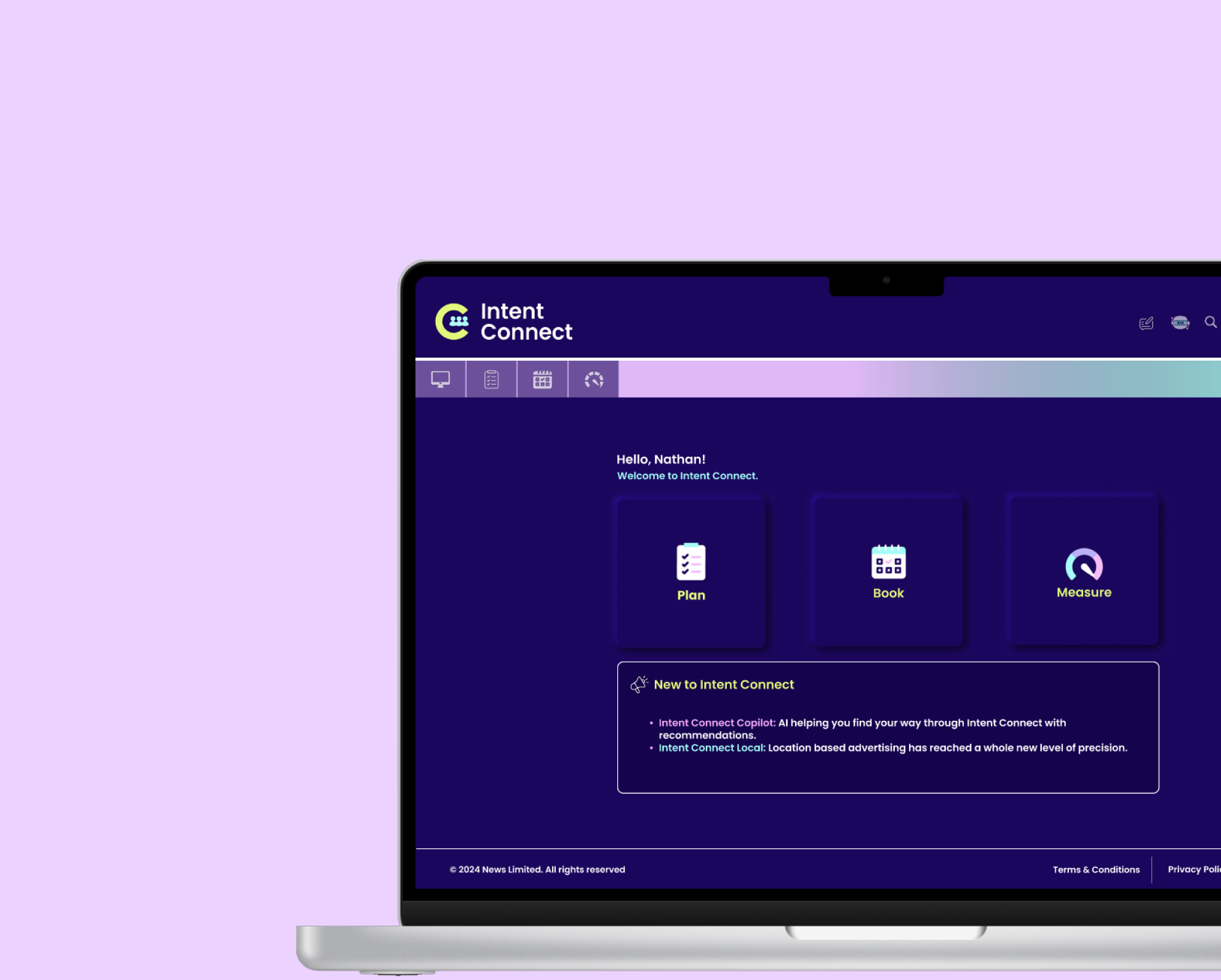
Intent Connect is a data intelligence platform that allows users to reach their target audience at the right time and in the right place through campaigns that they can book through the platform and then gain insights on their performance.
EMPLOYER
NewsCorp
SECTOR
Media
MY ROLE
Product Designer
TIME
12 Months
PROJECT OVERVIEW
THE PROBLEM
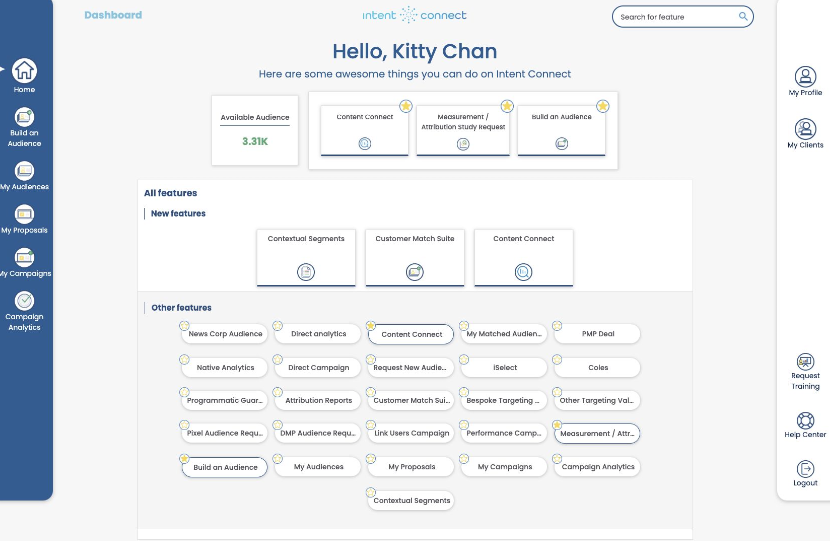
The first iteration of Intent Connect had multiple usability issues and did not suit the workflow of those in the media buying industry.
HYPOTHESIS
01 Difficult to navigate through the platform
02 Platform didn’t align with media buying process
03 UI was outdated
PROJECT OVERVIEW
BUSINESS OBJECTIVE
Increase adoption and revenue for the business in 12 months
RESULTS
70% Increase in new users
18% Adoption of platform among existing users
$X Millions in revenue
PROJECT OVERVIEW
DESIGN PROCESS
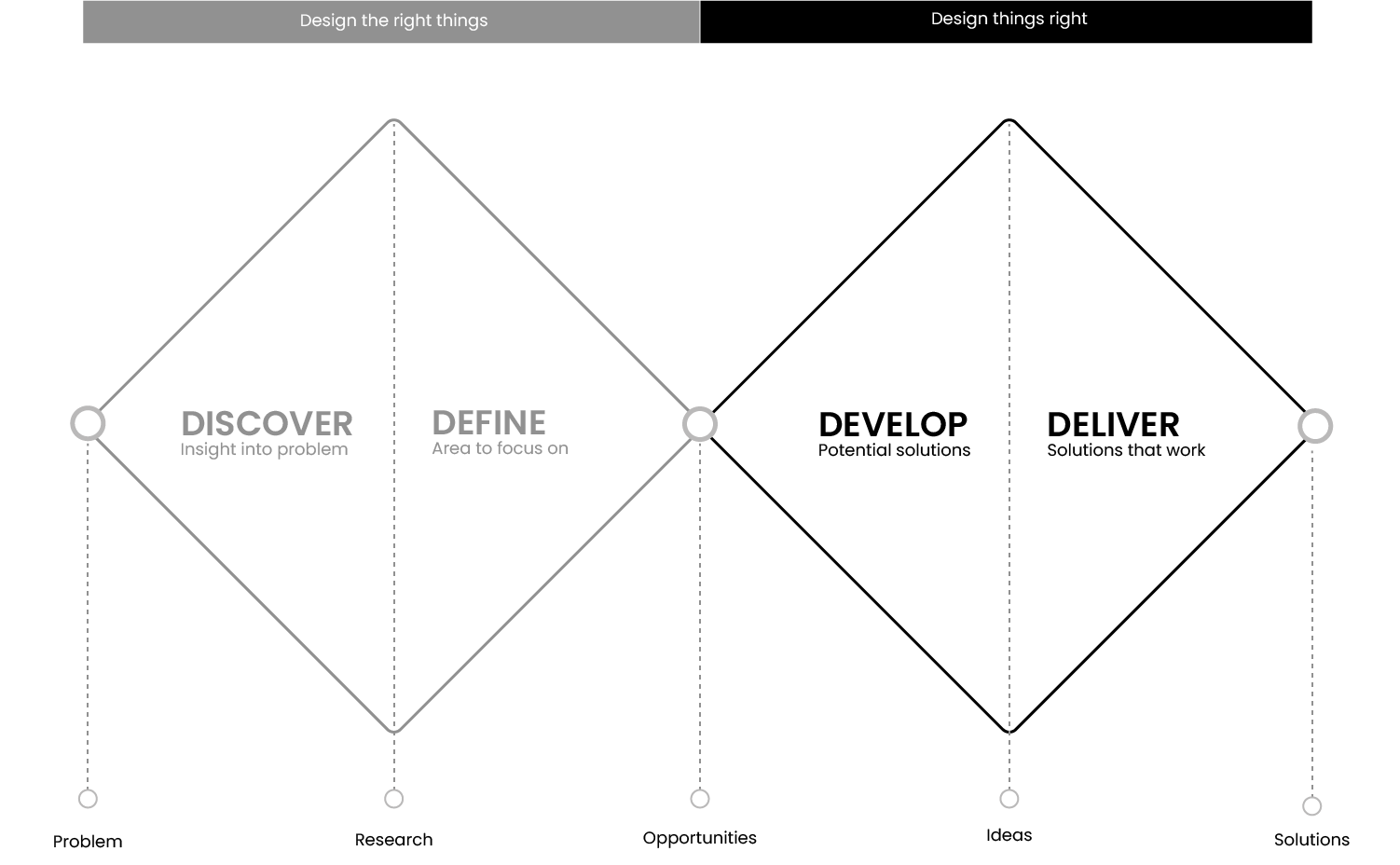
I approached this design challenge with two different types of thinking:
Divergent: keep an open mind
Convergent: narrowing down to the best idea
UNDERSTANDING THE USER
USER INTERVIEWS
I conducted interviews with Internal and external media buyers and sellers to understand their needs and pain points with the existing flow.
LOCATION
AUSTRALIA WIDE | REMOTE
PARTICIPANTS
40 PEOPLE
LENGTH
90 MINUTES
UNDERSTANDING THE USER
KEY INSIGHTS
User testing results were synthesised into actionable insights. This ensured that all design decisions were human centered and based on real user data.
“
It’s not obvious where to find things.
“
Group everything into plan, book and measure.
“
Use dark interface, make UI bright and fun
NAVIGATION
The multiple menus in the platform was confusing user. They wanted one persistent menu throughout the site.
MATCH WORKFLOW
Traditionally, the media buying process is plan, book and measure. Users didn’t understand how the different features fitted with this process.
COLOURFUL UI
Users were sick of the standard white and blue. They wanted the UI to be fun and vibrant.
UNDERSTANDING THE USER
USER PERSONAS
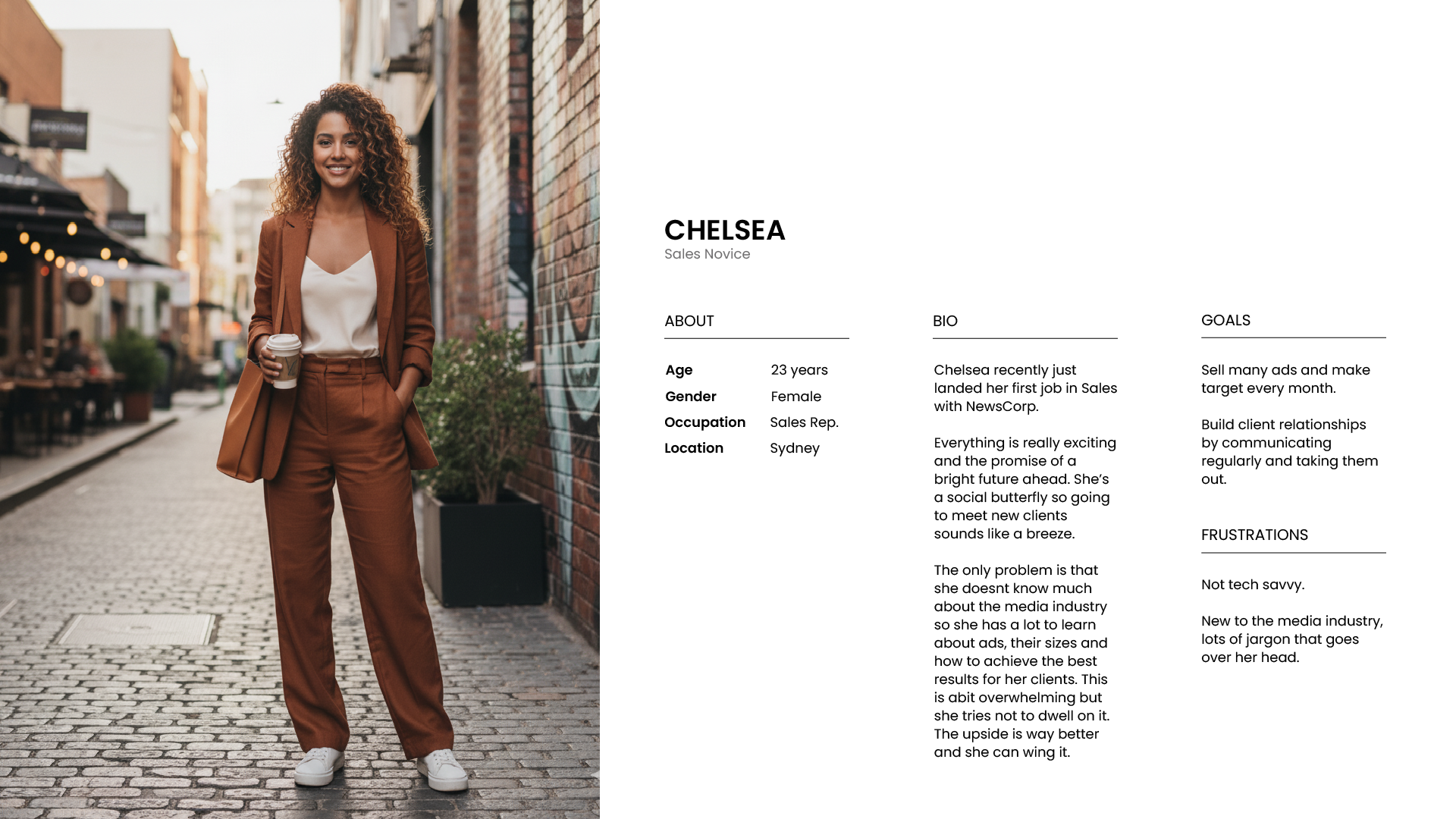
Fictional personas were built using data gathered from user research interviews. Their goals and characteristics represent the needs of a larger group of users. This helped me build empathy, identify patterns of behaviour and preferences.
PROBLEM STATEMENT 01
Chelsea is a Sales Rep. promoting ad placements, platform services and maintaining strong client relationships.
PROBLEM STATEMENT 02
Ruby is a Media Manager who focuses on ad placement and performance analysis to enhance visibility.
UNDERSTANDING THE USER
USER JOURNEY MAP
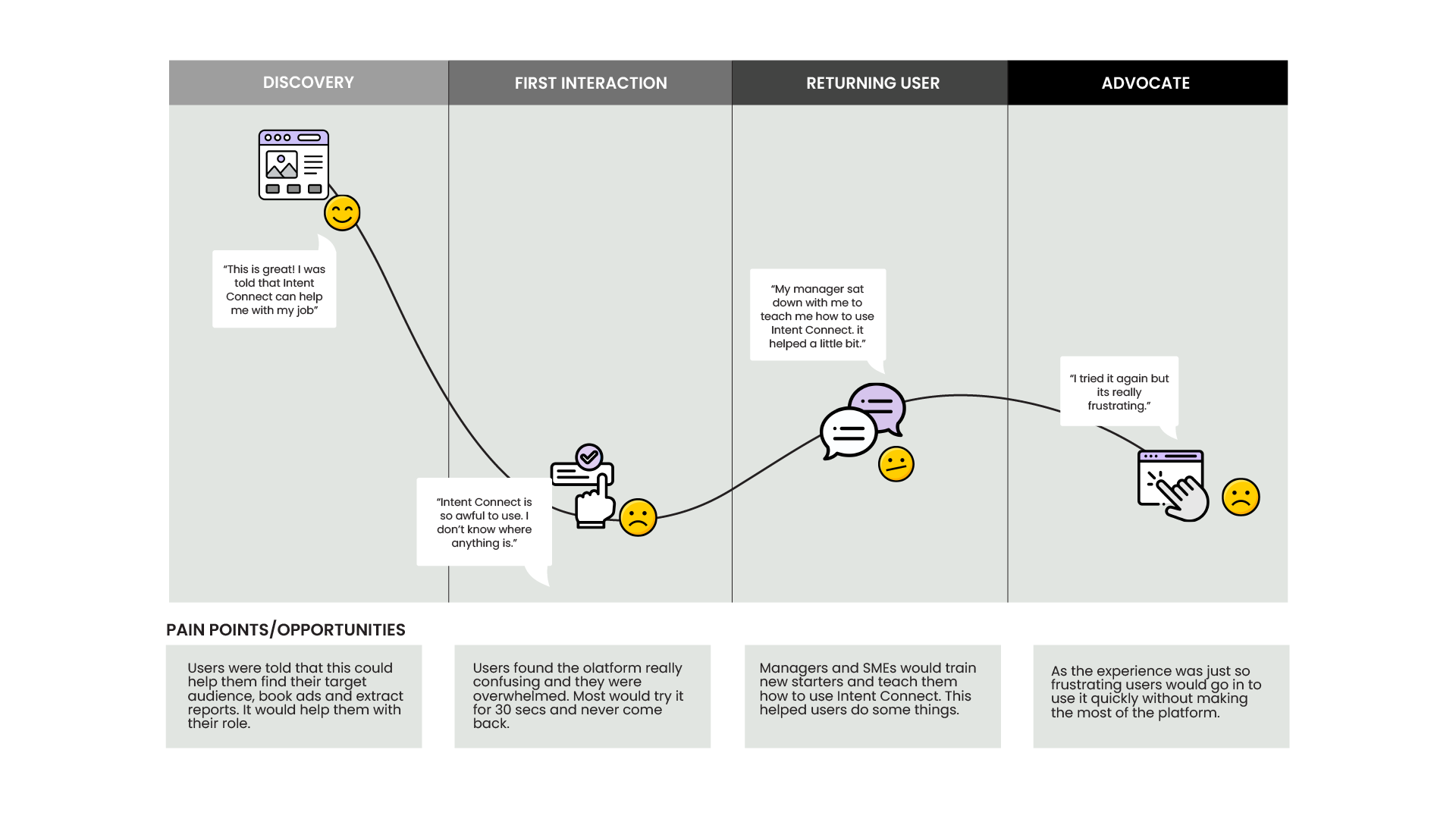
I created a journey map to analyse the touchpoints between the user and the product. This helped me empathise with the user, highlight frustrations and improvement opportunities.
THE SOLUTION
THE PROTOTYPE
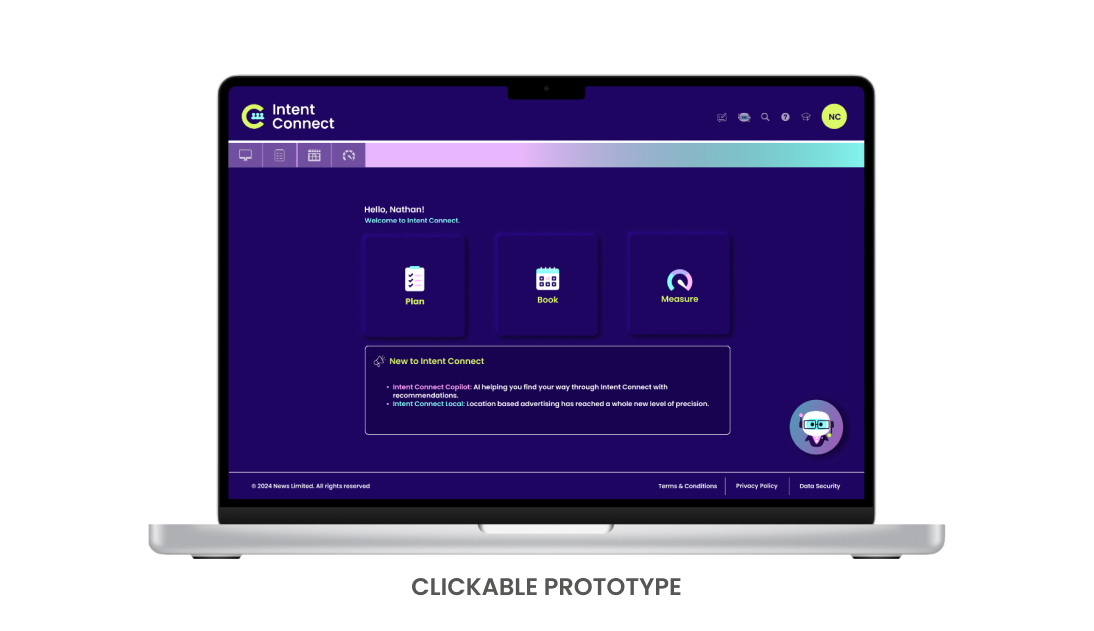
A simulation of the final product used for testing and validating design decisions before development.
FINALISING THE DESIGN
ACCESSIBILITY
Accessibility is important because it ensures that everyone, regardless of their abilities can access and use the products, promoting inclusion.
COLOUR CONTRAST
Previous branding of Intent Connect was did not pass WCAG standards. New branding follows WCAG and has high contrast.
RESPONSIVE DESIGN
Users may access the website from a variety of devices with different sizes.
GOING FORWARD
LESSONS LEARNT
I took sole ownership and redesigned an end-to-end data intelligence platform. Collaborating with internal and external stakeholders to ensure customer needs, technical constraints and business objectives were meant.
WENT WELL
Prototyping provided a opportunity for stakeholder and user feedback
Collaborated with product managers, engineering, sales and marketing teams
User Research a solid period of time interviewing users, allowed for in-depth insight into their pain points and opportunity for improvement.
TO IMPROVE
Clarify time constraints with broader leadership to manage expectations
Allocate time to paying down design debt, like building scalable components and updating Design Systems upfront to save time down track.