
WORK / CASE STUDY 3
MyLeague App
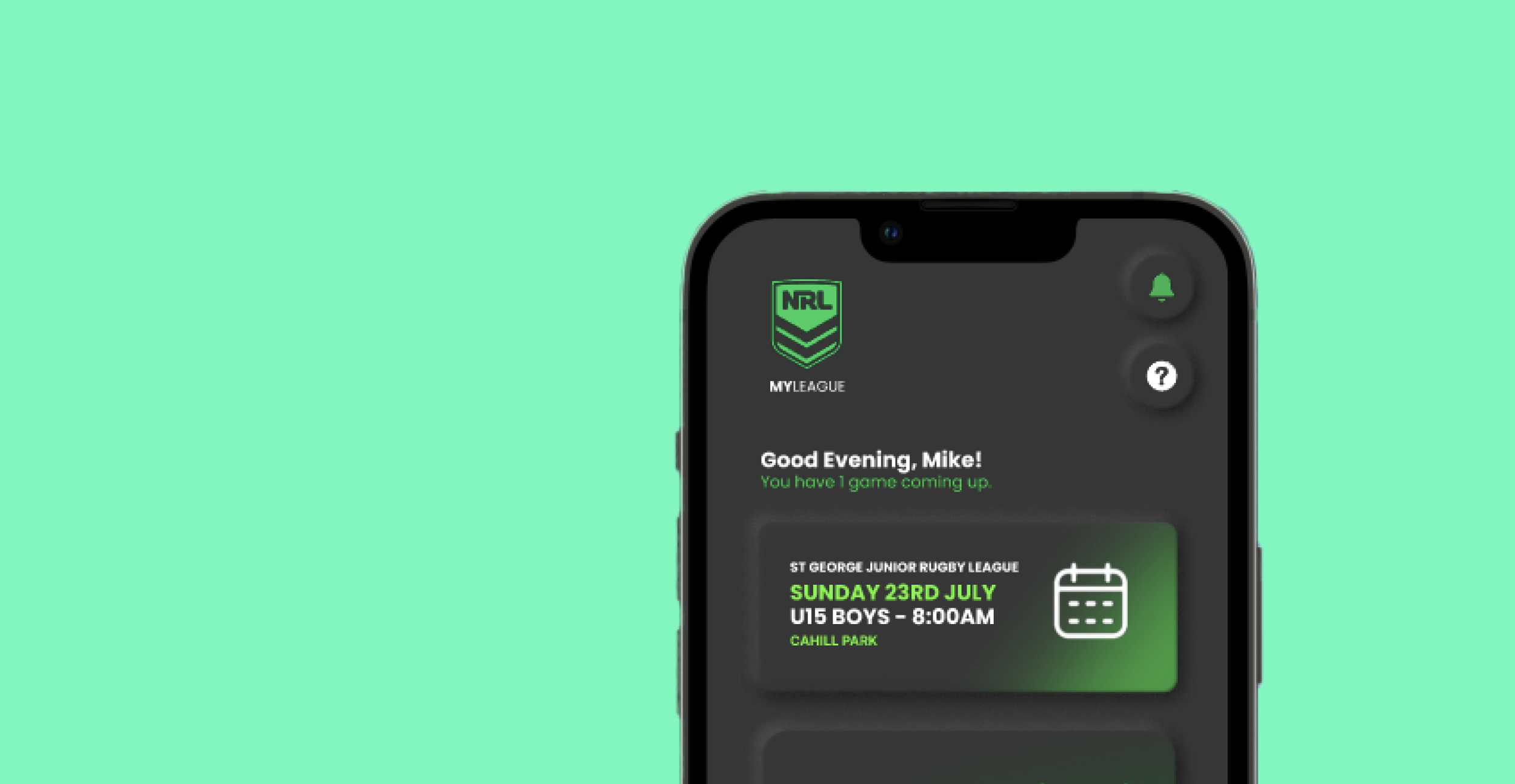
The MyLeague app offers opportunities for people to connect with each other through their love of sport. The success of this product will enable NRL to become one of the largest and most connected community nation-wide.
CLIENT
NRL
SECTOR
Sports
MY ROLE
Product Designer
TIME
4 Months
PROJECT OVERVIEW
THE PROBLEM
NRL wanted to identify opportunities to improve user experience and feature enhancements.
HYPOTHESIS
01 Users need to go in and out of app to gather information
02 UI is outdated and not suitable for young people
PROJECT OVERVIEW
BUSINESS OBJECTIVE
Increase app awareness among the community and boost in-app engagement.
PROJECT OVERVIEW
DESIGN PROCESS
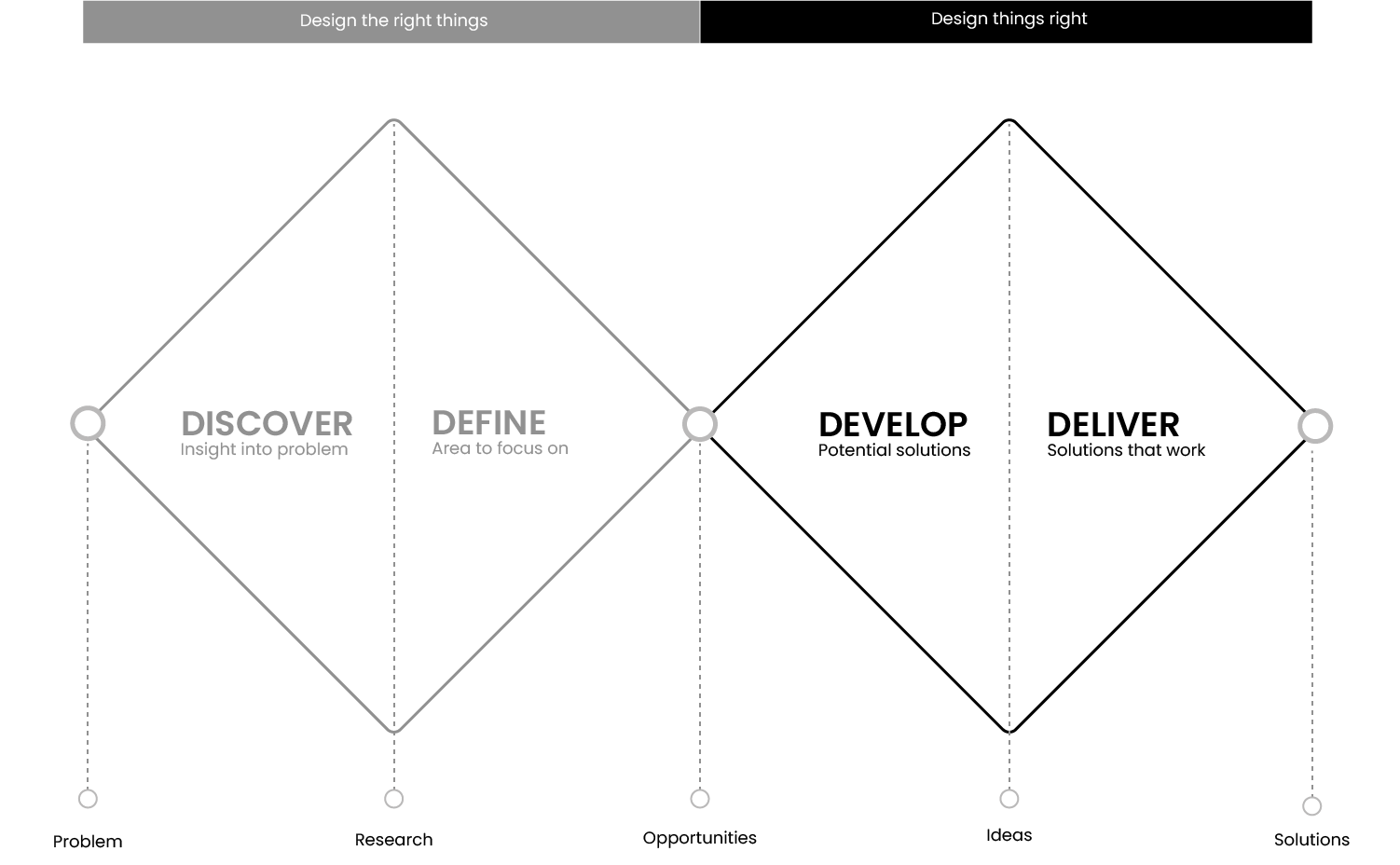
I approached this design challenge with two different types of thinking:
Divergent: keep an open mind
Convergent: narrowing down to the best idea
UNDERSTANDING THE USER
USABILITY TESTING
I conducted usability testing with users to see how easy it was for users to use the app Study results were analysed and insights provided a direction for the design.
LOCATION
REMOTE
PARTICIPANTS
5 PEOPLE
LENGTH
45 MINUTES
UNDERSTANDING THE USER
KEY INSIGHTS
User testing results were synthesised into actionable insights. This ensured that all design decisions were human centered and based on real user data.
“
Jump in and out to app - its all over the place and not fun to use.
“
I’m not interested in the news, just the matches.
“
Rewards would encourage me and my friends to use the app.
CONTENT
Users found that some of content was not interesting to them and that information was presented in
EASE OF USE
Users found it annoying to go in and out of app to get the information that they needed.
REWARDS
Users wanted an incentive to keep using the app.
UNDERSTANDING THE USER
USER PERSONAS
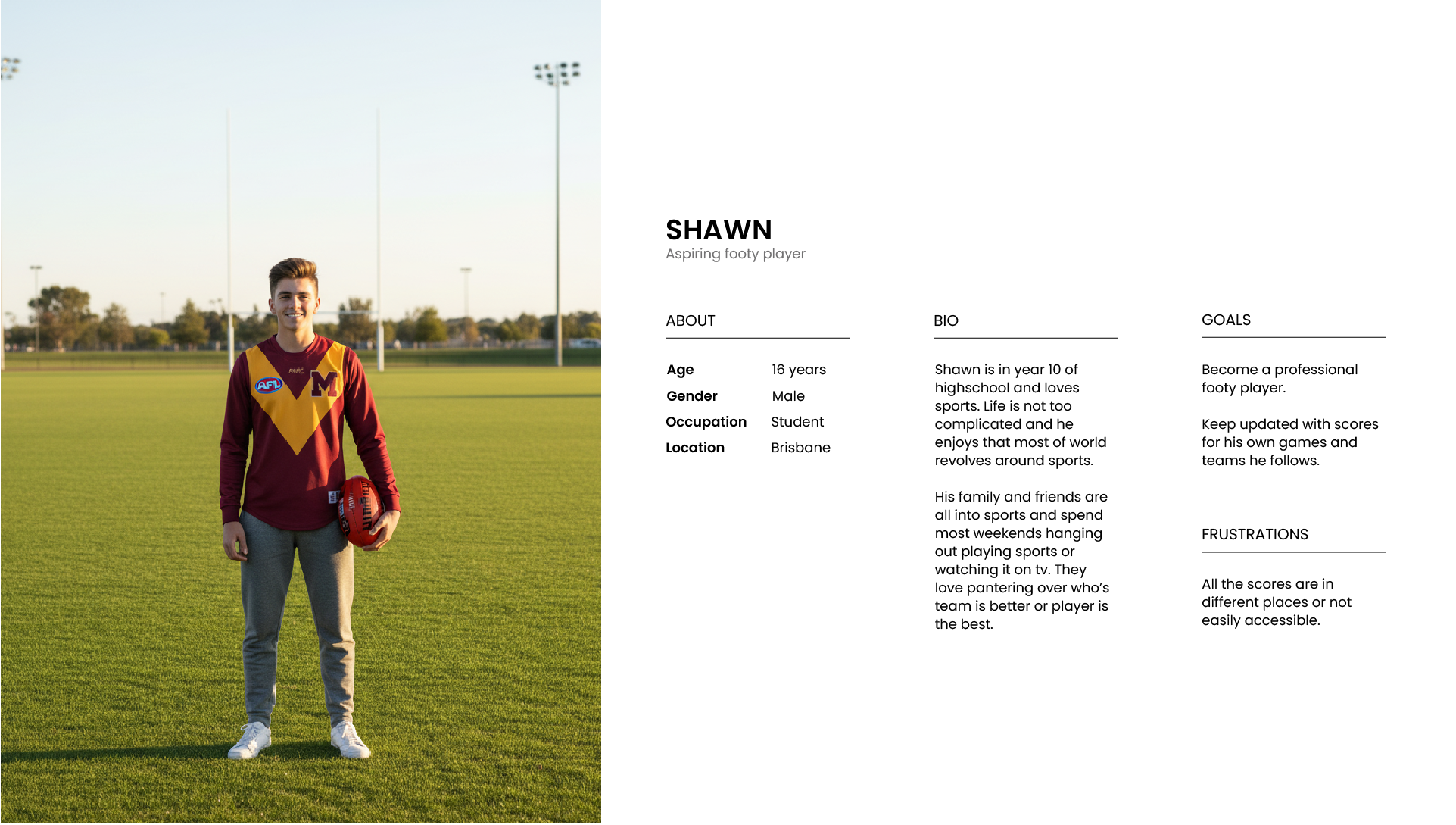
Fictional personas were built using data gathered from user research interviews. Their goals and characteristics represent the needs of a larger group of users. This helped me build empathy, identify patterns of behaviour and preferences.
PROBLEM STATEMENT 01
Shawn is in year 10 of highschool and loves to play sport. His friends and family are also sport loves and they love to talk about who’s team is winning and who’s the better player when they get together.
UNDERSTANDING THE USER
USER JOURNEY MAP
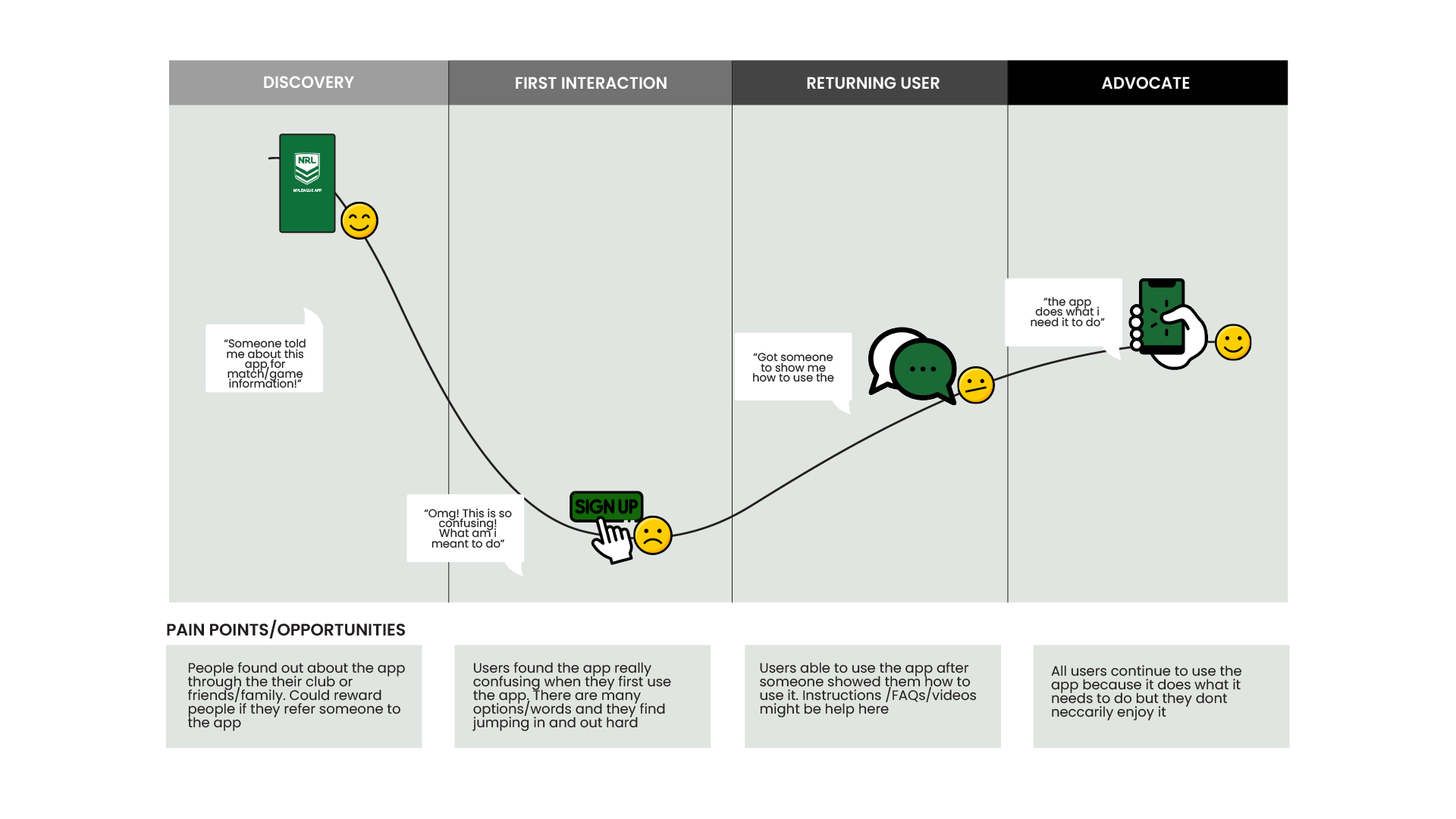
I created a journey map to analyse the touchpoints between the user and the product. This helped me empathise with the user, highlight frustrations and improvement opportunities.
THE SOLUTION
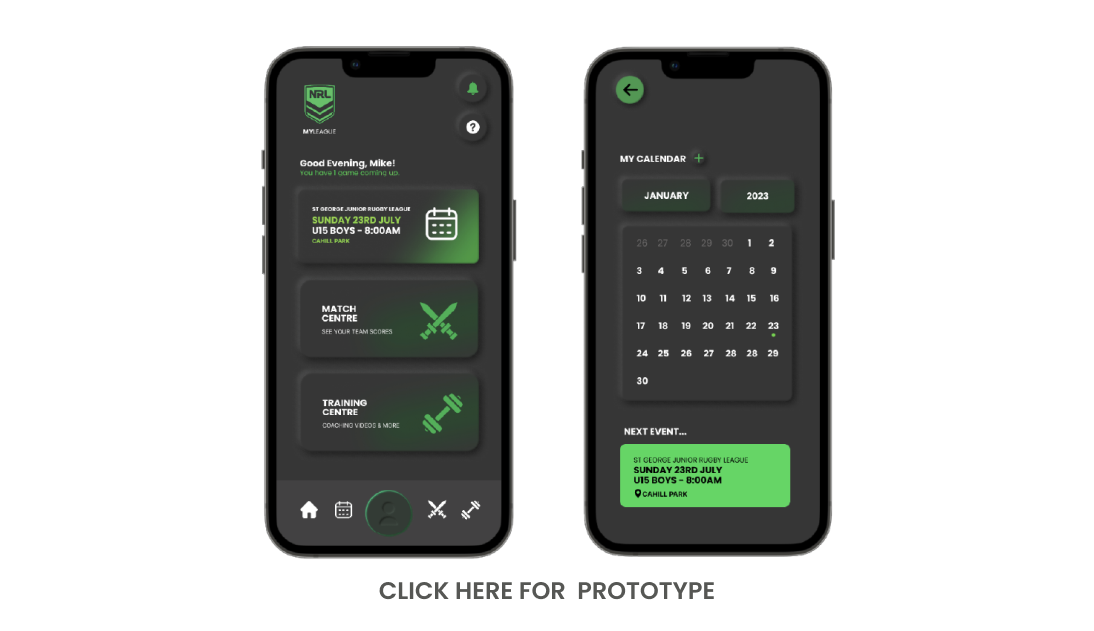
THE PROTOTYPE
A simulation of the final product used for testing and validating design decisions before development.
FINALISING THE DESIGN
ACCESSIBILITY
Accessibility is important because it ensures that everyone, regardless of their abilities can access and use the products, promoting inclusion.
COLOUR CONTRAST
Previous branding of Intent Connect was did not pass WCAG standards. New branding follows WCAG and has high contrast.
RESPONSIVE DESIGN
Users may access the website from a variety of devices with different sizes.
GOING FORWARD
LESSONS LEARNT
WENT WELL
User Research Clear insights on what was wrong with the app and many opportunities for improvement.
TO IMPROVE
Time constraint As this was contract work I wasn’t a part of the end-to-end process. The research and design was then handed over to the internal team. Hard to get feedback for improvement.